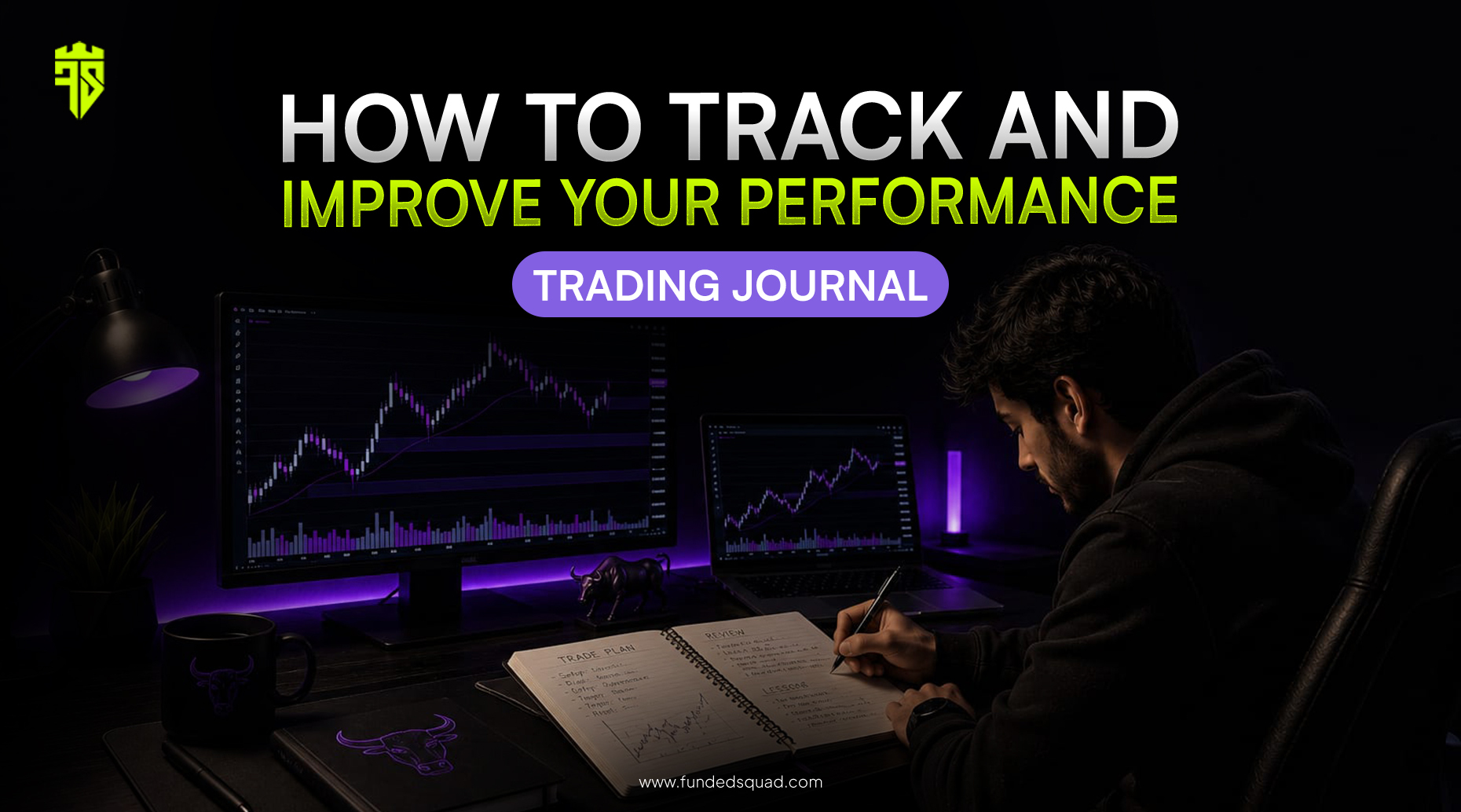
Welcome to the ultimate guide on mastering your market execution through structured record keeping and rigorous Trading Education. Every successful market participant knows that the difference between consistent profitability and random guessing often lies in the detailed logs they maintain after every session. When you record your entries, exits, emotions, and market conditions meticulously, you open the door to true self mastery and long term financial growth. Without a clear system to review your past decisions, you are simply navigating a complex financial ocean blindfolded. Let us explore how you can build, maintain, and leverage a comprehensive performance record to elevate your trading journey.
The Foundation of Trading Education
Solid Trading Education goes far beyond learning basic technical charts or memorizing candlestick patterns. It requires a deep understanding of psychological discipline, risk parameters, and data management. When traders first enter the markets, they frequently underestimate the immense value of keeping a detailed history of every single position they take. By logging your trades systematically, you transform raw market data into actionable insights that guide your future decisions. This proactive approach ensures you stop repeating costly mistakes and start focusing on high probability setups that align with your overarching strategy.
A well structured log acts as your personal mirror in the financial markets, reflecting your true habits, strengths, and hidden weaknesses. Many aspiring participants wonder where they should begin when setting up their record keeping system. You can choose between a digital spreadsheet, specialized software, or a physical notebook depending on your personal preference. The format matters less than the consistency with which you record your data. Every single entry should capture the exact timestamp, asset class, position size, entry price, stop loss, take profit target, and the underlying rationale for the trade.
Furthermore, documenting your emotional state at the exact moment of execution provides invaluable context during your post market analysis. Were you feeling anxious, overly confident, impatient, or calm? Recognizing these internal triggers allows you to correlate emotional states with financial outcomes. Over time, you will notice clear patterns emerging from your logs. You might discover that you consistently perform well during morning sessions but struggle with impulsive overtrading during afternoon consolidation phases. This level of granular awareness is the hallmark of a professional market participant.
Essential Performance Metrics to Track
Measuring your progress accurately requires looking beyond your daily profit and loss statements. You must track a diverse set of performance metrics to understand the true health of your strategy and risk management framework. Win rate, average risk to reward ratio, maximum drawdown, profit factor, and expectancy are vital indicators that tell the true story of your edge. When you evaluate these numbers weekly, you can fine tune your approach and eliminate strategies that drain your capital without offering a statistical advantage.
| Metric Name | Description | Target Benchmark |
| Profit Factor | Gross profits divided by gross losses. | Greater than 1.5 |
| Risk to Reward Ratio | Average winning trade divided by average losing trade. | At least 1:2 |
| Maximum Drawdown | Peak to trough decline during a specific period. | Under 10 percent |
Calculating your expectancy helps you determine whether your system is mathematically viable over a large sample size of trades. Even with a modest win rate of forty percent, a healthy risk to reward ratio can yield a highly profitable outcome. To build a robust framework, you can explore comprehensive resources available through Funded Squad, which supports ambitious market participants in achieving their financial goals. Analyzing these metrics regularly ensures you remain objective and immune to short term emotional fluctuations caused by winning or losing streaks.
Mastering Pattern Recognition in Your Data
Once you accumulate a sufficient number of logged sessions, pattern recognition becomes your most powerful tool for continuous refinement. You will begin to spot recurring mistakes, such as prematurely exiting winning positions out of fear or stubbornly holding losing trades past your stop loss. Identifying these behavioral loops is the first step toward breaking them permanently. By studying your historical data objectively, you train your brain to recognize high probability market contexts versus low quality setups.
Analyzing Winning Setups
Understanding why your successful trades worked is just as important as analyzing your losses. Look for common denominators in your winning positions, such as specific market hours, chart formations, or volume profiles. Documenting these positive catalysts allows you to replicate your success with greater consistency in future sessions.
Correcting Recurring Execution Errors
When reviewing losing trades, search for systemic errors rather than blaming external market volatility. Are you frequently entering trades right before major macroeconomic news releases without proper protection? Pinpointing these procedural flaws enables you to tighten your rules and protect your capital from unnecessary exposure.
Refining Risk Management Parameters
Your logs will quickly reveal whether your position sizing and stop loss placements are optimal. If you notice that your stops are consistently being clipped right before a reversal, you may need to adjust your volatility buffers. Fine tuning these parameters safeguards your account against catastrophic drawdowns during volatile market conditions.
The Psychology of Self Assessment
Honest self assessment is often the most challenging aspect of maintaining a detailed performance log. It requires you to confront your own discipline issues, FOMO, and ego without making excuses for poor execution. When you review your journal at the end of each week, approach the data with the curiosity of a scientist rather than the judgment of a critic. Accept that mistakes are inevitable components of the learning curve and view every error as an expensive tuition fee paid toward your long term mastery.
Maintaining emotional detachment during periods of heavy drawdown requires immense mental fortitude and consistent daily routines. Many traders find it helpful to pair their technical log with a daily journal that records their sleep quality, stress levels, and external distractions. External factors in your personal life invariably bleed into your market decisions and impact your risk tolerance. By acknowledging these variables, you can choose to step away from the charts when you are not in the optimal psychological state to execute capital safely.
As your skills develop, engaging with a supportive community can accelerate your growth and provide fresh perspectives on difficult market phases. You can learn more about our mission, vision, and core values by visiting About Us, where we outline our commitment to trader success. Surrounding yourself with disciplined peers helps keep you accountable and reinforces the habits necessary for long term survival in the financial markets.
Related Blog: The Science of Setting Stop Losses That Actually Work
Leveraging Modern Funding and Support Systems
Navigating the financial markets independently can sometimes feel isolating and financially restrictive for talented individuals with limited personal capital. Modern proprietary trading firms have revolutionized the industry by removing outdated consistency rules and arbitrary time limits. This shift allows skilled participants to focus entirely on executing their edge without the crushing pressure of restrictive evaluations. Programs designed with flexible structures empower traders to manage substantial capital allocations and earn rewarding profit splits based on their performance.
At Funded Squad, we believe in empowering talent through flexible conditions, offering rewards on demand and reward splits up to one hundred percent. Our community features over thirty thousand active traders who have collectively unlocked more than two million dollars in performance rewards. With no withdrawal thresholds and no maximum time limits to pass objectives, you can trade at your own natural pace and style. Whether you prefer swing trading or intraday scalping, our platform accommodates your unique strategy without imposing stressful constraints.
If you have questions about our evaluation programs, payout structures, or partnership opportunities, our support team is always ready to assist you. You can easily reach out to our team by visiting Contact Us for prompt and detailed assistance. We pride ourselves on maintaining transparent communication and fostering a collaborative environment where dedicated market participants can thrive and scale their operations seamlessly.
Strategic partnerships also play a vital role in expanding your trading ecosystem and discovering new tools to enhance your daily workflow. To explore collaborative opportunities and affiliate benefits, you can learn more through our dedicated Partner Program portal. Building strong alliances within the financial industry opens doors to advanced educational resources, proprietary software, and exclusive networking events that further sharpen your competitive edge.
Frequently Asked Questions
What is the most important element to include in a trading journal?
The most critical elements are your exact entry and exit prices, position sizing, risk to reward ratio, and your emotional state at the time of execution. Capturing both the quantitative data and the qualitative psychological context allows you to conduct a holistic review of every session and identify root causes for both wins and losses.
How often should I review my performance logs?
You should conduct a brief review at the end of each trading day to clear your mind and a comprehensive review at the end of every week. Weekly reviews help you spot broader behavioral patterns, evaluate overall strategy performance, and make necessary adjustments for the upcoming week.
Can a trading journal help eliminate emotional trading?
Yes, by systematically documenting your feelings and the outcomes of impulsive decisions, you build self awareness that curbs emotional reactivity. When you see tangible proof in your logs that emotional trades consistently lose money, you become far more hesitant to repeat those mistakes.
Why do many traders fail without a performance log?
Without a structured record, traders rely on faulty memory and confirmation bias, remembering their big wins while conveniently forgetting their frequent small losses. This distorted perception prevents them from identifying structural flaws in their strategy, leading to continuous capital depletion.
How does Funded Squad support developing traders?
Funded Squad supports traders by offering flexible capital funding with no time limits, no consistency rules, on demand rewards, and payout splits up to one hundred percent. Our ecosystem provides the ideal environment for disciplined market participants to scale their strategies without unnecessary financial pressure.
Conclusion
Mastering the financial markets is a continuous journey that demands discipline, accurate data collection, and unwavering commitment to ongoing Trading Education. By maintaining a detailed performance log, evaluating your key metrics, and eliminating emotional blind spots, you transform random market participation into a professional business. Embrace the process of self assessment, learn from every trade, and utilize the robust funding and support systems available to scale your potential. Your dedication to meticulous record keeping today will pave the path to consistent profitability and long term financial independence tomorrow.